Awards and citations:


1997: Le Prix du Champagne Lanson Noble Cuvée Award for investigations into Champagne for the Millennium investment scams

2001: Le Prix Champagne Lanson Ivory Award for investdrinks.org

2011: Vindic d'Or MMXI – 'Meilleur blog anti-1855'

2011: Robert M. Parker, Jnr: ‘This blogger...’:

2012: Born Digital Wine Awards: No Pay No Jay – best investigative wine story

2012: International Wine Challenge – Personality of the Year Award


Showing posts with label Jacky Blot. Show all posts

Thursday, 28 May 2020

Emerging from social confinement...


Aynard
Aynard de Clermont-Tonnerre, the new general secretary of AREV  

After weeks of no social interaction with friends during France's strict lockdown, we welcomed our first two guests to have passed our front gate since early March last Thursday for an apéro à distance sociale.

Fortunately it was a lovely warm evening and we sat outside in the garden, while maintaining a social distance with no handshakes or embraces, of course.  Our two guests were Aynard and Isabelle de Clermont-Tonnerre of Clos du Porteau in nearby Saint-Georges-sur-Cher.

It turned out to be a double celebration – not just for a restrained lifting of social confinement but also an unexpected celebration of Aynard's important new job as general secretary of AREV: the Assemblée des régions européennes viticoles. Aynard took up the initial post as Deputy General Secretary on 1st April. On Monday (1st June) he will take over as General Secretary when the current holder – Alain d'Anselme – retires. 

Aynard is naturally delighted and excited by his new job, which in normal times would be a challenge but it will be made all the more challenging by COVID-19. There will be a a full interview with Aynard soon.

I had decided that for our apéro evening would be restricted to white wine and would feature a trio of wines from Jacky Blot – all from Montlouis.


Triple Zéro, Montlouis, La Taille aux Loups, Jacky Blot


This bottle had considerable bottle age as the cork remained in its tight mushroom form without splaying out. Along with many Loires, well made sparkling wines – Triple Zéro is a pétillant – have the potential to age well if you can resist opening them when they are young. Thursday's Triple Zéro had retained its purity and freshness along with a developed honeyed complexity. A perfect start for our double celebration.

12 Remus + 
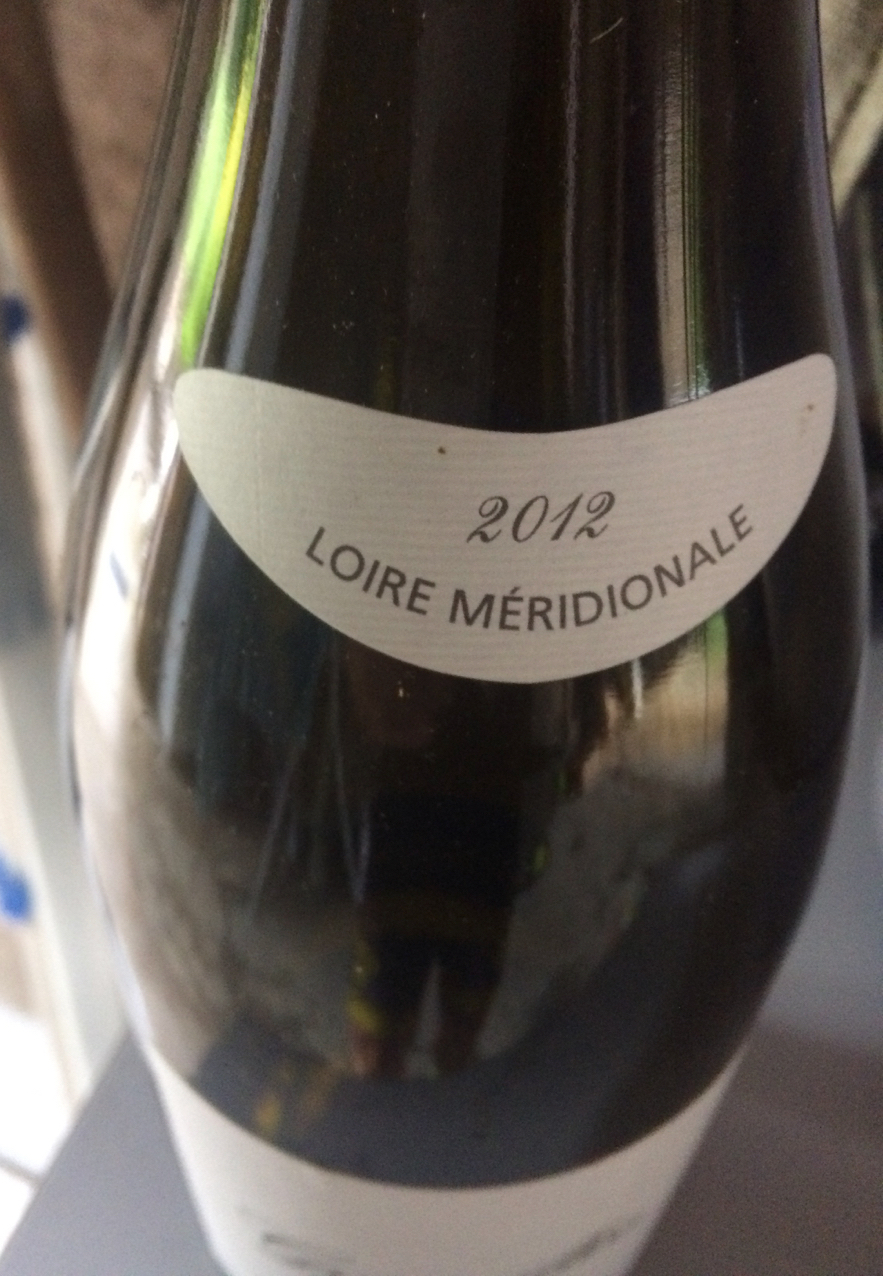
2012 Rémus Plus, Montlouis, Domaine de la Taille aux Loups 

05 Rémus
2005 Rémus, Montlouis, Domaine de la Taille aux Loups 

We followed the Triple Zéro with a duo of Rémus – the 2005 was a straight Rémus, while the 2012 was a Rémus Plus: a more severe selection than Rémus and from vines aged between 80 and 100 years old. This was also a contrast of vintages. 2005 had a long hot dry summer with fine weather continuing into the autumn. In contrast 2012 was a more difficult year, although bud-break was early, the vines were badly hit by an April frost on the night 16th-17th April. There was heavy and continuous rain from early October.

The 2005 was noticeably richer than 2012 and naturally more evolved but still with good freshness in the finish, while the 2012 was tighter, very clean and precise with an attractive austerity in the long finish with a clear potential to evolve and age for a long time yet. The majority preferred the 2005, while I had a slight preference for the 2012. Both fine wines with differences that reflect the different ages and climatic differences of these two vintages.


Coronavirus-mask


EU drapeau


Wednesday, 2 October 2019

2019 Loire – has heat damage become a new challenge?

Chenin + heat 
2019 Chenin Blanc from the Clos Mosny,
Domaine de la Taille aux Loups, Montlouis

Frazzled
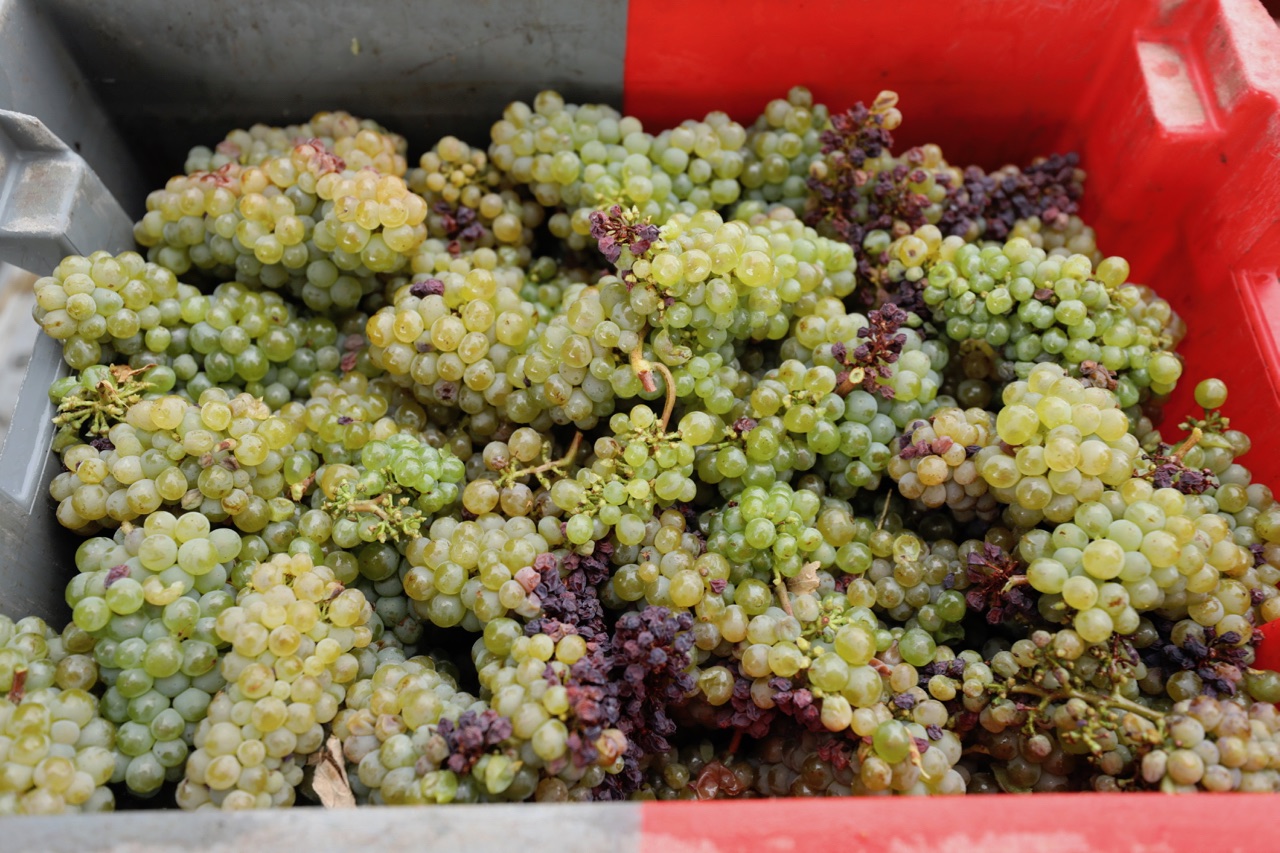
Frazzled bunch of Chenin Blanc: Clos Mosny

Unfortunately due to a number of family and work commitments, I haven't been able to make as many visits during the Loire harvest as I would like and normally do. However, it is clear that 2019 is once again a good to very good vintage in terms of quality with very like rot and very healthy grapes. In respect to the whites and rosés 2019 may well better than 2018, where some of the these wines are for me just too ripe and rich to be refreshing. For example, we quite often buy rosé from Domaine de la Grange (Bruno Curassier) in Bléré. I much prefer his fresher, leaner 2017 to the opulent 2018.
 
Jacky Blot (Domaine de la Taille aux Loups) is adamant that for whites 2018 is not a good vintage, although it is a good vintage for reds. Jacky is very pleased with the potential quality and balance of the 2019, although he was hit by both April frosts and grapes shrivelled by summer heat spikes of up to 40˚C. 

However, he has been pleasantly surprised to find that his Chenin has yielded more juice than he imagined. He thought yields would be around 25 hl/ha instead they are in the region of 35 hl/ha.

But quantity is down due to April frosts, poor weather due some of the flowering period, drought and as well as grapes frazzled by successive heat spikes.

Drought
A grey 'lawn' in Cher Valley
after four months of no rain – above and below

Droughta

In Eastern Touraine it was very dry from early June until 22nd September. Tours Weather Station recorded 1.2 inches of rain from 13th June to 21st September. The drought started to break on 22nd September. Everything looked very parched and when there were high winds in mid-September the emergency services were on high alert in case of fires spreading through the dry vegetation.

2019 is the sixth good quality vintage in a row starting from 2014. The Loire has never seen such a series. Previously it was exceedingly rare to have more than three successive good vintages. Looking back over this millennium only 2013 has been poor along with 2012 for sweet wines in Anjou. The days of rotten, unripe vintages in the 1960s, 70s and 80s now seems far away. Evidence, surely, of climate change.

At the International Chenin Blanc Congress at the beginning of July the South Africans said that the Loire, with its relatively small increase in temperature, would be feeling the benefits of climate change in contrast to their problems stemming from severe differences in climate. This may be so but changes are already having their effect in the Loire through increased incidences of frost plus sun frazzled grapes.

Xavier Frissant, vigneron at Mosnes and a leading actor in the push to promote Amboise to full cru status, has also been hit considerably by grapes being grilled by the sun. Incidentally 'grillé' is an expression used by the late Gaston Huet (Domaine Huet) to describe the heat of the 1947 vintage. Xavier's Chenin has been particularly hit by the sun. Grapes that face the intense afternoon sun are always the most likely to be frazzled. It was noticeable looking at some of Xavier's Côt that bunches that faced the morning sun had largely been spared, while those facing the afternoon sun had been badly hit.

"This year during the heat spikes there was a three hour danger period – from 2pm to 5pm. We may have to look again at our viticultural practices to see how we can better protect the grapes from intense sunshine."

When I first started reporting about the Loire from 1989 it was fairly common for vineyards to look like dense hedges and to have to search about for  bunches. Over the past 20 years or so opening up the canopy has become common along with spreading out bunches to facilitate ripening and avoiding rot by encouraging currents of air to help dry the grapes. Deleafing has also been popular. Periods of extremely high temperatures as seen this year, even if some of the heat spikes have only lasted a few days, raises a question as to whether this is still the right approach.


Wednesday, 19 December 2018

Four or five festive sparklers... and where to enjoy them

One English sparkler

Sugrue Pierre – The Trouble with Dreams
Sugrue Pierre South Downs: The Trouble with Dreams
by Dermot Sugrue   

Unlike British politics which has been hitting the headlines for all the wrong reasons for best part of three years now, English or more precisely English and Welsh wines, have been garnering headlines for excellent reasons. We are now making some very good sparkling wines, which account for around two thirds of our production. The area under vine here is predicted to reach 3000 hectares by 2020. This is still small – similar in size to Sancerre (2987 in 2017) but given that vine growing only restarted here in 1952 this is a fair change. Plantings have tripled since 2004. Of course all this pales into insignificance if you consider how much the Chinese have planted over the past decade or even, on a lesser scale, the way wine production in New Zealand has increased and changed since the 1970s.

Wine has been made here since the Roman times but following the dissolution of the monasteries by Henry VIII in 1536 vineyards in the UK gradually declined until they disappeared altogether just before the First World War. It wasn't until 1952 that vines were replanted for commercial production and there was a gradual revival during the rest of the 20th Century. 

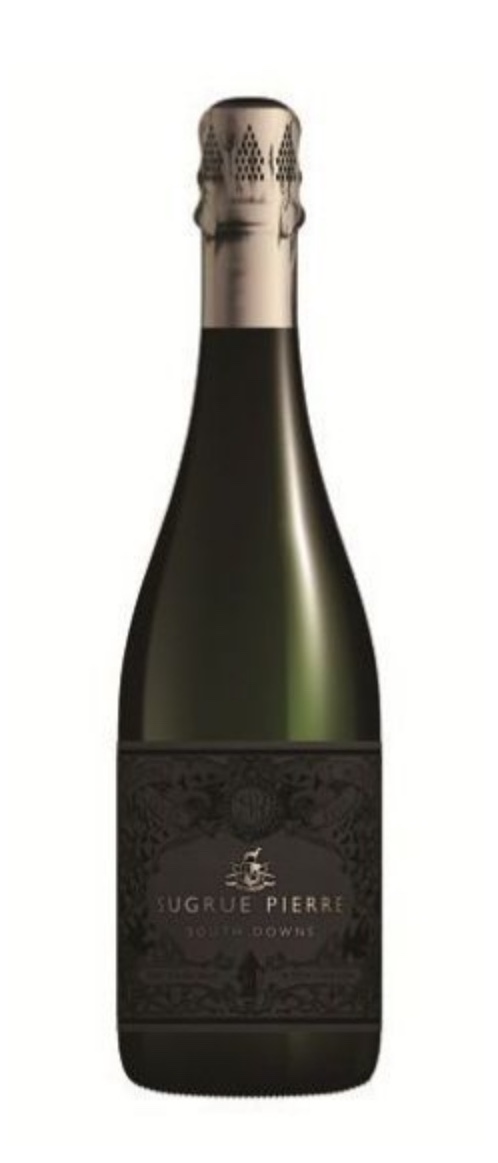
Irish wine-maker Dermot Sugrue has been an important influence on English wine, in particular sparkling. His precise and thrilling Sugrue Pierre South Downs: The Trouble with Dreams (Chardonnay 60% Pinot Noir 40%) can be best enjoyed at The Harrow in Little Bedwyn – a brilliant Michelin starred restaurant.

English wine

Just out a quick monograph - 70 pages – to English wine
Copies from International Wine & Food Society

•••

Four Loire favourites: 


IMG_0878

Pure Chenin Blanc from Château de L'Aulée, Azay-le-Rideau. No added sugar and 24 months minimum on the lees. Brilliant value, which makes it our house fizz.


TripleZeros

Also pure Chenin Blanc with no sugar added at any stage hence the name – Triple Zéro, which has been a great success for Jacky Blot. Triple Zéro can be best enjoyed at Jacky's Le Bistrot des Belles Caves (Tours).

Bouvet_Zero_Dosage

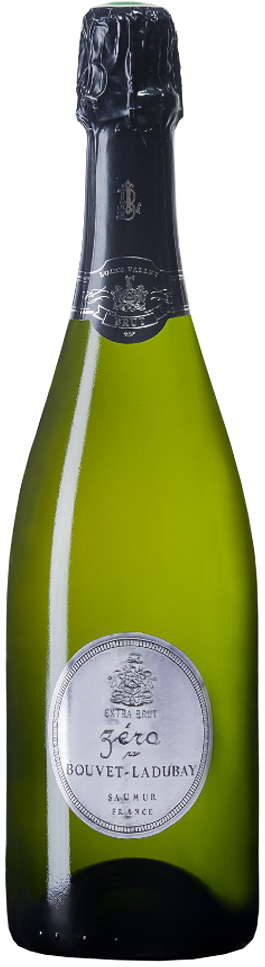
A Saumur fizz – Chenin Chardonnay – from Bouvet Ladubay – zero dosage. Zéro can be best enjoyed at La Route du Sel (Le Thoureil).


CrémantLamé

Lamé's delicate Crémant de Loire is a blend of 70% Cabernet Franc and 30% Cabernet Sauvignon with 24 months sur latte. This Crémant can be best enjoyed at Vincent le Cuisiner de Campagne  (Ingrandes-de-Touraine).


Pro-1 

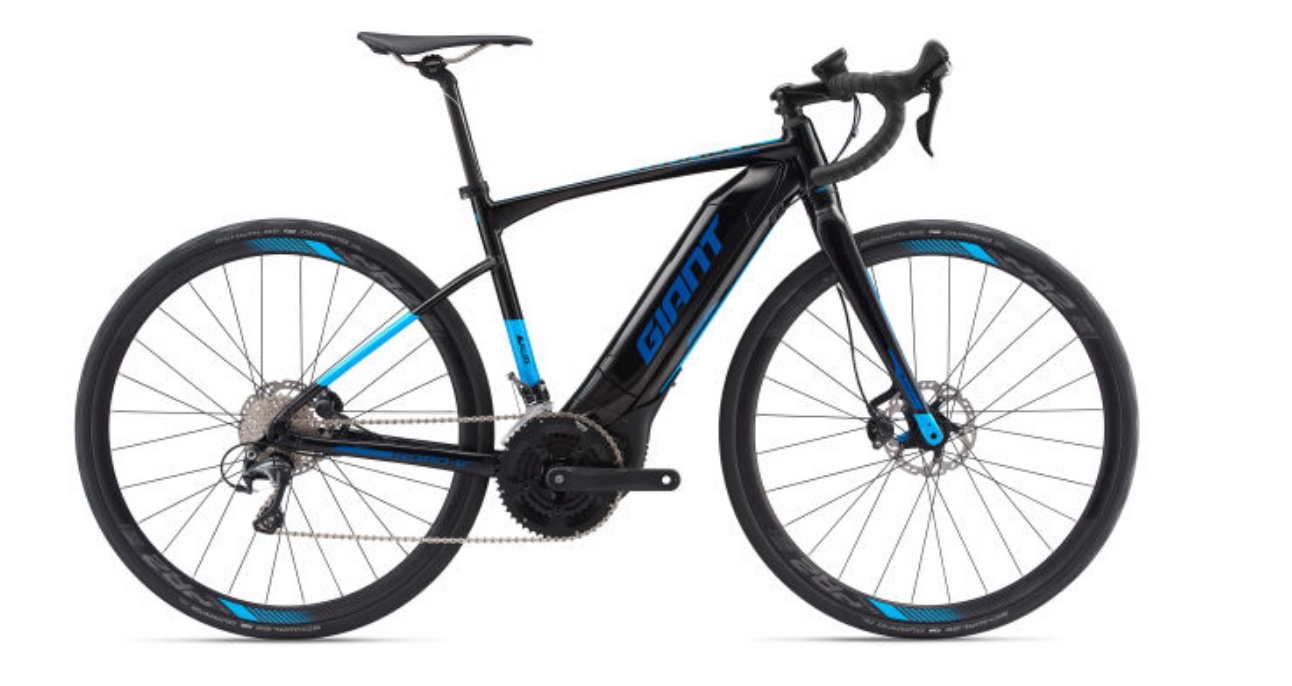
A Giant e-bike – recommended to assist in fighting off the extra calories and weight over the Christmas period. 

(This post was first published on Les 5 du Vin. This is one of a week-long series on festive sparkling wines.) 

Wednesday, 6 June 2018

Some recently enjoyed Loire bottles .....


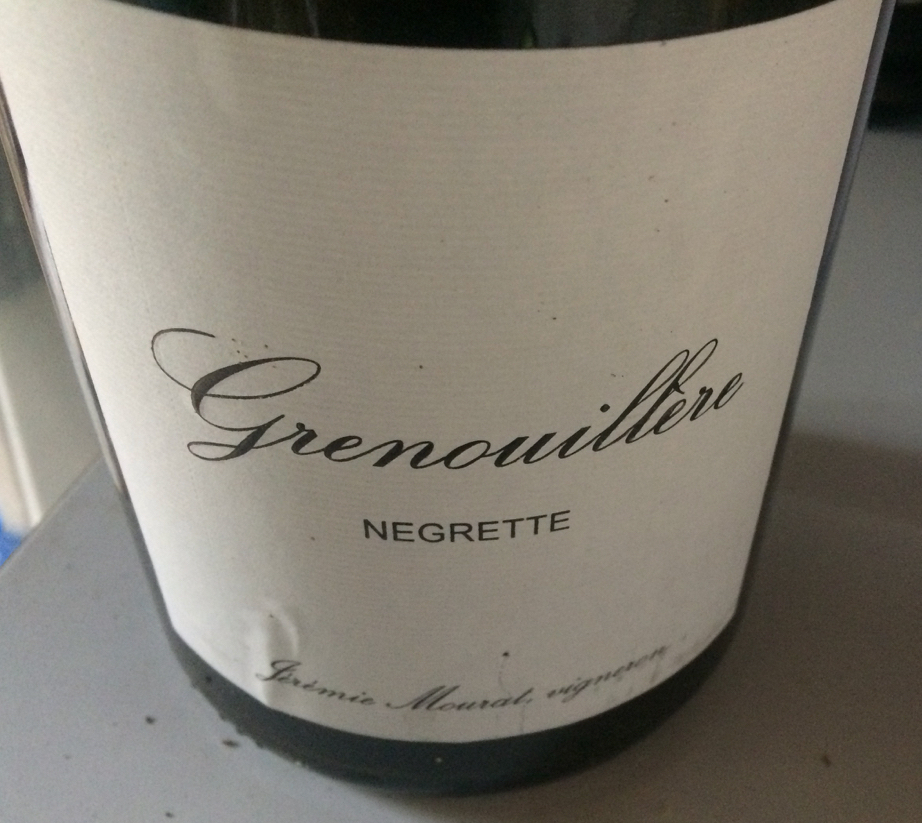
Negrette Grenouillière

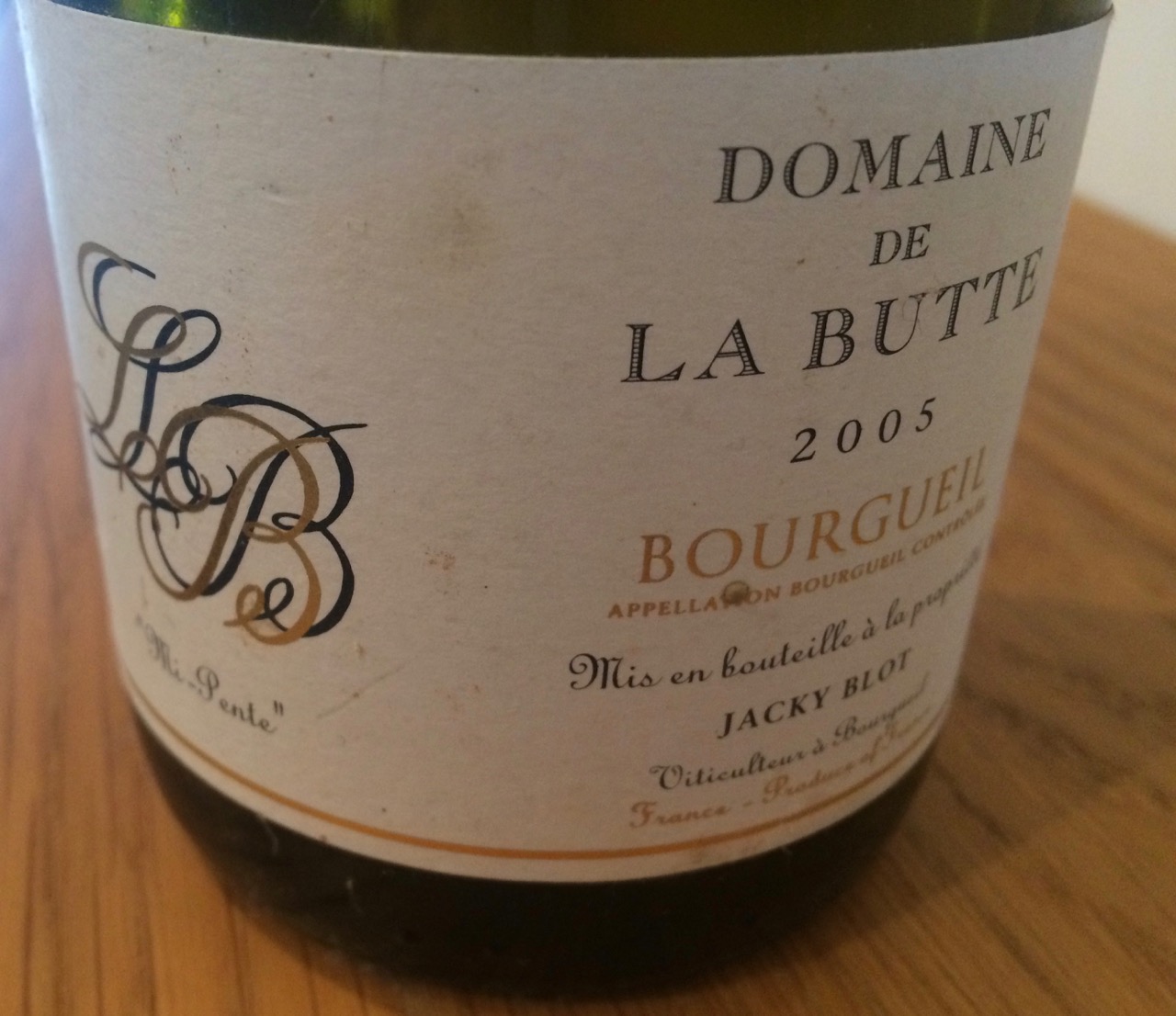
05 Mi-Pente


We opened the 2005 Mi-Pente, Bourgueil from Domaine de la Butte to welcome one of the new members of our French group. She had first visited us in the Cher Valley in 2005. her stay included a visit to Jacky Blot and she was very struck by Jacky's explanation of the terroirs of La Butte. Naturally it felt appropriate to mark the occasion with the 05 Mi-Pente, which is currently drinking very well. Lovely soft, developed fruit, supple structure – all in all the 2005 Mi-Pente seems much younger than its 13 years.

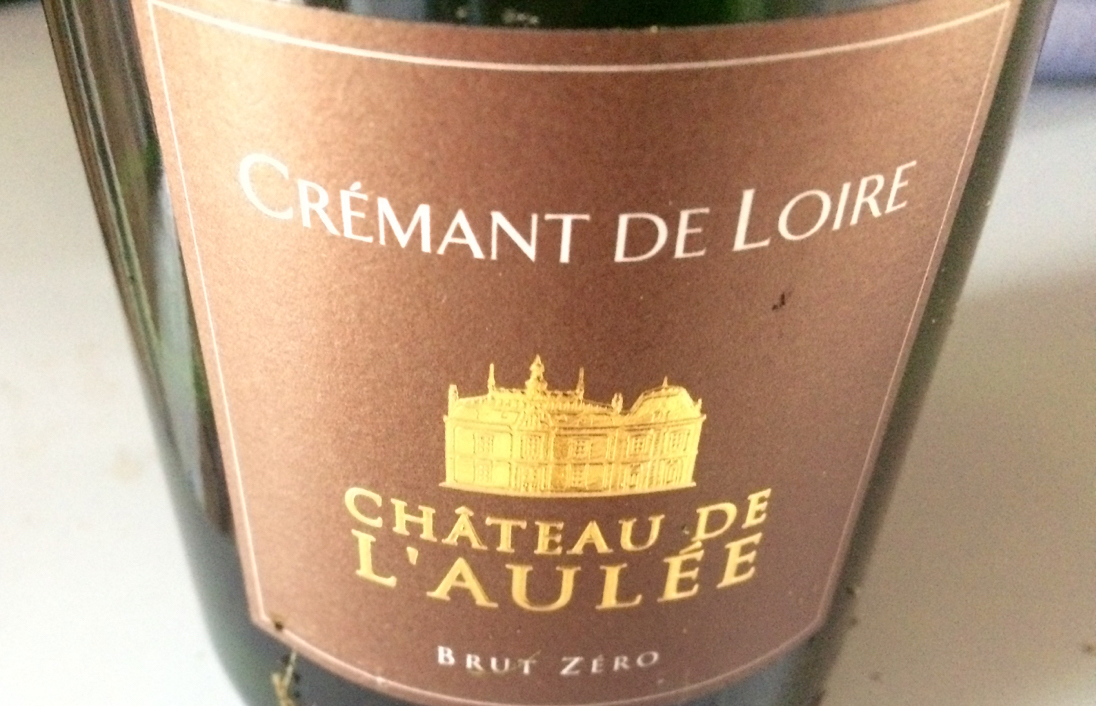
Crémant Aulée Zéro


Château de l'Aulée's Crémant de Loire Crémant de Loire Brut Zéro is our house Loire sparkler. Made from 100% Chenin it is very clean, pure and precise. Despite having no dosage, the finish is attractively austere but never acidic. A fine sparkler, which spends between 24 and 36 months sur latte, for less than 10€ from the domaine!


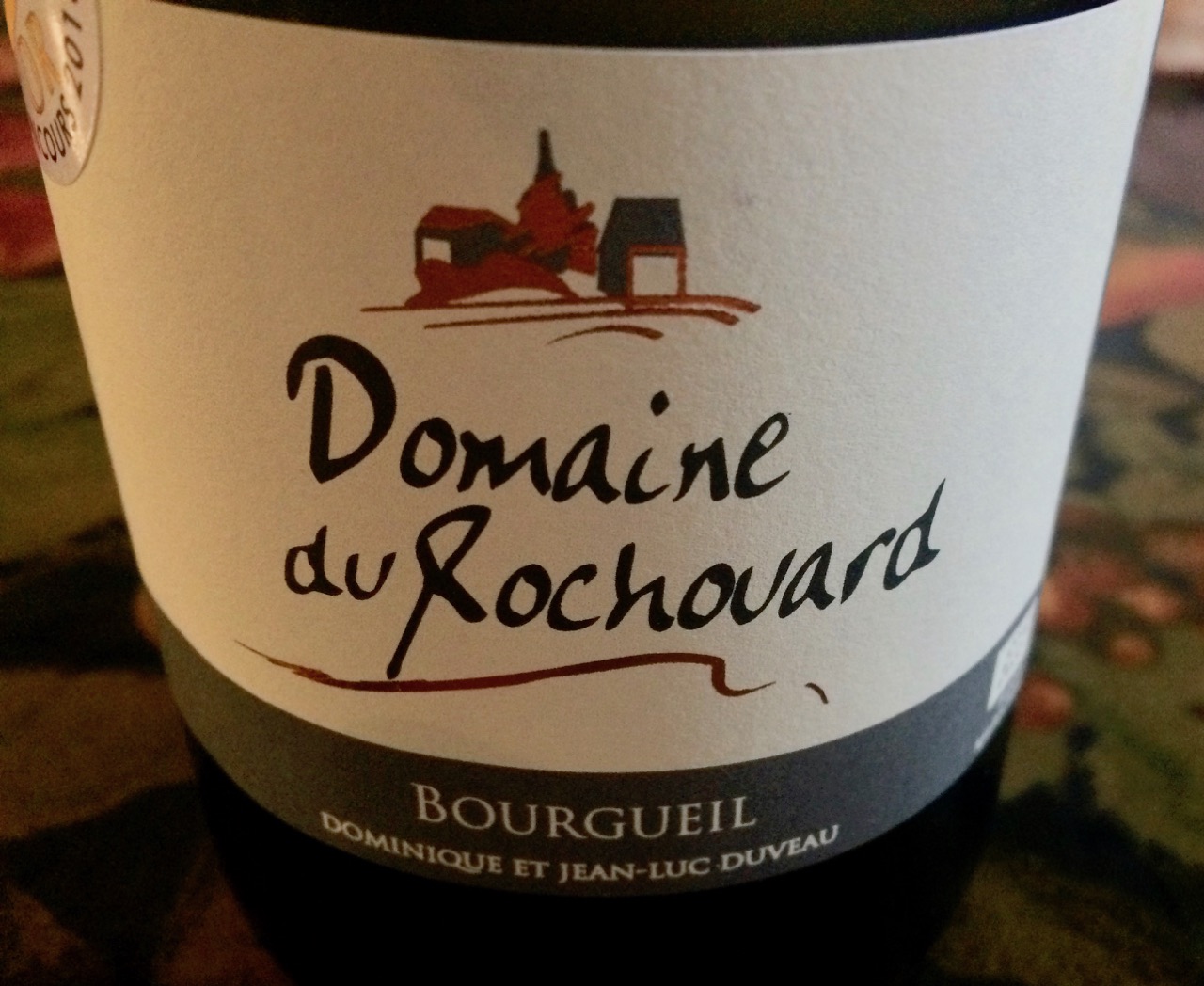
17 Bourg-du Rochouard

Bought on Sunday at the latest edition of the Bios Jours de Bourgueil attended by organic producers from the Pays Nantais, Saumur and Touraine. This well-made 2017 Bourgueil cuvée printemps from Domaine du Rochouard offers great value at 6.50€ the bottle.  Ripe fruit, some fairly soft structure, this entry level Bourgueil can be drunk now with pleasure but should improve over the next two or three years in bottle.

In contrast with many of the other wines on sale at the Bios Jours Jean-Luc Duveau's Bourgueil was offered at a very good price. Many of the other exbibitors had wines that started at around 10€ without the quality found in this 2017.


2012 Negrette


A magnum of 2012 Negrette bought from Jérémie Mourat's domaine in the Fiefs Vendéens. A magnum is an ideal size if you have a number of people around the dinner table. Negrette is the majority grape of Fronton, to the north west of Toulouse. It is also found, however, in the Fiefs Vendéens. Mourat's Negrette has lovely juicy black fruits – the 2012 slipped down without a struggle. Time to buy some more!

89 Grande Année BF

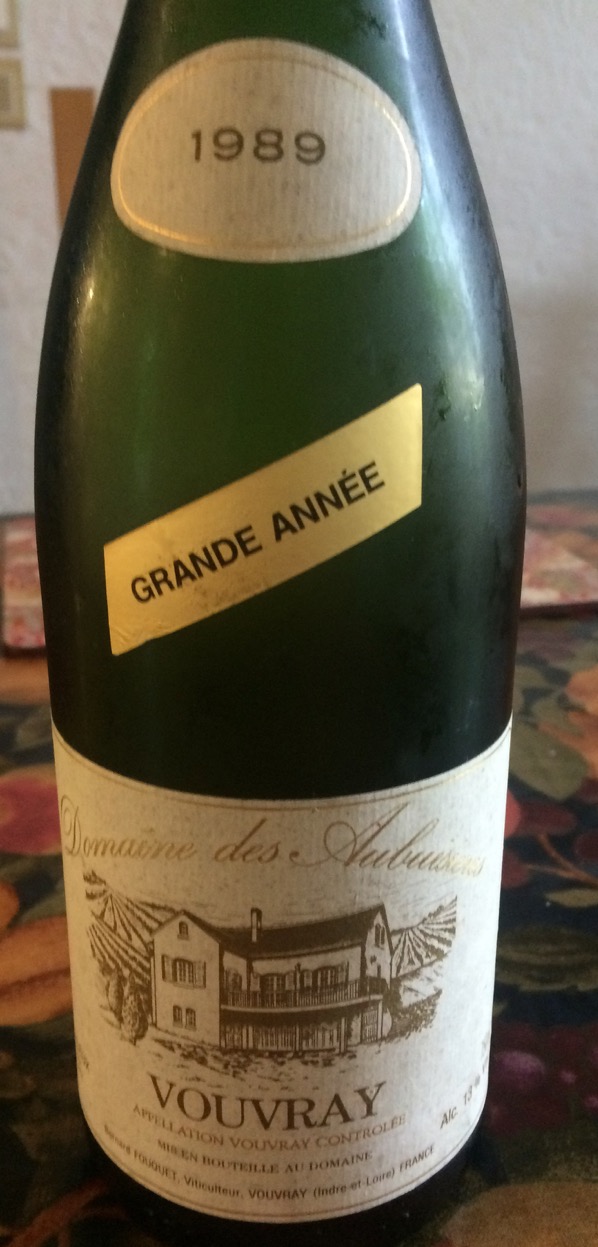
The 1989 Grande Année is a lovely classic from Bernard Fouquet's Domaine des Aubuisières and it was wines from this great Loire vintage that established Bernard's reputation. Less rich than his 1989 Le Marigny, Grande Année has lovely delicacy, finesse and balance with potential to continue to age brilliantly as on close to 30 years old it has lovely freshness.

Sunday, 13 August 2017

Staying in Loches – some limited advice

The Château of Loches 
 
'My friends Julia and Quentin are going to stay in Loches in about a week and I wondered if you would be able to suggest some places for them to eat.  They are vegetarians but they do eat seafood.

Also as I know they appreciate a good bottle of wine, could you also recommend any vineyards and places that are worth a visit.'

A few days ago this request came through on an email. Although I do go to Loches from time to time mainly to go to the market – normally the Wednesday one but occasionally the Saturday one. 

Anyway here is my rather limited reply – would welcome comments and suggestions to make this post more comprehensive.  


The Indre and the Georges Sand 
with its terrace by the river


I hope you enjoy your stay in Loches.

Places to eat
I don't often eat in Loches mainly because it is some way from our place in Epeigné-les-Bois. Worth booking as Loches is a popular tourist destination.

I have had good meals at La Gerbe d'Or in the centre of Loches:


There is also the Hotel Georges Sand, which is by the Indre with an attractive terrace overlooking the river. I haven't eaten here in years but it was a nice place to have lunch.


The best place to eat in the region is La Promenade in Le Petit Pressigny, which is just under 30 kms south of Loches. You will need to book.


There is also Le Clos aux Roses in Chedigny, an attractive village which is some 12 kms from Loches. I have eaten there but not since it changed hands but I have good reports from friends.  

Home - Le Clos Aux Roses


On Wednesday and Saturday mornings there is a large and very popular market that takes up the centre of Loches.

Vineyards and producers to visit:
There are no vineyards close to Loches. Those in the Cher Valley near Montrichard are the closest. You could try Vincent Roussely in Angé or Jean-François Mériau in Montrichard . There is also the Cave Co-operative in Bléré that makes reasonable wines.


Vouvray and Montlouis are a little further afield with a number of producers to visit including Jacky Blot, Domaine de la Taille aux Loups and François Chidaine, who has a shop in Montlouis – Le Caveau Insolite. In Vouvray Vincent Carême in Vernou is a good producer to visit.  
 
For other suggestions please see the right hand column of Jim's Loire. 


The Georges Sand and the Indre


Friday, 3 February 2017

Pomerol annulation by the Conseil d'Etat - pertinent for Jacky Blot and François Chidaine?


François Chidaine and Jacky Blot 
with their 'Vin de France Vouvrays'

It is very interesting to see the Conseil d'Etat's decision to annul the obligation in the Pomerol appellation décret to only allow producers to vinify and mature Pomerol wines within the demarcated zone of the Pomerol appellation. The Conseil decided that Pomerol had not justified excluding those Pomerol producers who have vines within the appellation but vinify in a neighbouring commune. The Conseil ruled that it was wrong to disadvantage producers who do not have winemaking facilities within the small appellation of Pomerol.

The ruling by the Conseil d'Etat: 
Taken from the site (Chroniques Vineuses) of Hervé Lalau, one of members of our cooperative blog – Les 5 du Vin. 

Pour le Conseil, "le cahier des charges de l'AOC " Pomerol ", qui ne comporte aucun élément de nature à justifier la nécessité de localiser les opérations de vinification, d'élaboration et d'élevage à l'intérieur de l'aire géographique de production, se borne à exiger, dans son chapitre IX intitulé " Transformation, élaboration, élevage, conditionnement et stockage ", que la vinification s'effectue " conformément aux usages locaux, loyaux et constants " et ne mentionne, dans ses développements consacrés au " lien à l'origine ", que les facteurs naturels et techniques de conduite de la vigne". 

De plus, "les requérants ont pu, pendant des décennies, réaliser leurs opérations de vinification, d'élaboration et d'élevage en dehors de l'aire géographique de production de l'AOC " Pomerol " tout en bénéficiant de cette appellation. Par ailleurs, il ne ressort ni des pièces du dossier ni de l'argumentation développée par le ministre de l'agriculture, de l'agro-alimentaire et de la forêt, l'Institut national de l'origine et de la qualité et le Syndicat agricole et viticole de Pomerol que la localisation de chais comme ceux des requérants, à proximité immédiate de la zone géographique de production, et les opérations de transport de raisin qu'elle implique soient de nature à porter atteinte à la qualité et aux caractéristiques propres aux vins de l'AOC " Pomerol ".

Toujours selon le Conseil d'Etat, "Compte tenu de l'ensemble de ces circonstances, en tant qu'il homologue une modification du cahier des charges de l'AOC " Pomerol " qui ne prévoit la délimitation d'aucune zone de proximité immédiate et exclut donc du bénéfice de cette appellation tous les producteurs qui ne procèdent pas aux opérations de vinification, d'élaboration et d'élevage à l'intérieur de l'aire géographique de production, le décret attaqué est entaché d'une erreur d'appréciation.
Dès lors et sans qu'il soit besoin d'examiner les autres moyens de leur requête, la SCEA Château Siaurac et autres sont fondés à demander l'annulation du décret attaqué en tant qu'il homologue une modification du cahier des charges de l'AOC " Pomerol " s'abstenant de procéder à la délimitation d'une zone de proximité immédiate au titre de cette appellation".

'C'est la troisième fois en 6 ans que le Conseil d'Etat annule cette modification du cahier des charges, qui a déjà connu plusieurs moutures.'

Does this ruling create a precedent in the case of Jacky Blot and François Chidaine being banned by the INAO from making Vouvray in the neighbouring commune of Montlouis. I am not aware of any proper justification for the ban in the Vouvray décret. Indeed when I spoke to Philippe Brisebarre he was keen to stress that he would really like to find a solution but that despite the best efforts of the INAO lawyers in Paris no solution could be found because the Loire is a barrier.....


 Boundary of the commune of Vouvray
(above and below)


Boundary of commune of Montlouis


The southern boundary of Vernou, 
the commune adjacent to Vouvray,
showing land boundaries with Montlouis


These four maps indicate very clearly that in several places that there are land boundaries between Montlouis and those of Vouvray and Vernou, so Philippe Brisebarre was incorrect to say in 2015 that the Loire was a barrier between Vouvray and Montlouis. The Loire is not an administrative barrier to either Vernou or Vouvray as the boundaries of both communes straddle the Loire.

Brisebarre offered no justification, apart from replying on the Loire being a 'barrier', for the banning the vinification of Vouvray in Montlouis. He did explain that the only exception to vinifying within the boundaries of the Vouvray appellation is the commune of Nazelles-Négron just to the north of Amboise.  

I remain astonished that the doubtless well-paid lawyers employed by the INAO were not aware that the communes of both Vouvray and Vernou actually straddle the Loire and physically touch the boundary of the commune of Montlouis.   

I am surprised that Blot and Chidaine have not taken this ban to the Conseil d'Etat, as I think it highly likely that the Conseil would rule in their favour. It may be, of course, that as both Jacky and François are able to easily sell all the 'Vouvray' they make under the Vin de France label it isn't worth the time and expense of going to the Conseil. 

Given the Pomerol ruling by the Conseil d'Etat perhaps the INAO would just throw in the towel and not contest any challenge to the ban on vinifying Vouvray in the commune of Montlouis?

However, the ban is also a good story that sets their 'Vouvrays' apart. At the recent Charles Sydney Wines Ltd tasting in London I was asked at least twice why Jacky Blot's wine was Vin de France and not Vouvray.

Furthermore Jacky and François may also feel that appellation Vouvray is so diminished by their absence that Vin de France is now more prestigious option than appellation Vouvray ….

(Back in 2015 I posted a detailed look at this dispute on Les 5 du Vin. See here. 


Thursday, 26 January 2017

Some shorts – St Vincent@Epeigné-les-Bois, vins d'arrivée, Contend SL in Touraine


Epeigné-les-Bois: date for the diary – 29 janvier 2017: Fête de Saint Vincent + a meeting tomorrow about the Jour de Cher on 15th July – in particular the possibility of creating a float designed to navigate the Cher.


After a fairly uneventful drive from London to the Loire it was time to enjoy a reviving glass or so. First up the 2008 Remus Plus Montlouis  from Jacky Blot's Domaine de la Taille aux Loups. On first taste there were some wood notes but once the 2008 was swiftly put into a decanter these disappeared and the Remus Plus became more rounded and expressive along with lovely balancing acidity. 

For a red with our grilled chicken legs we opted again for Jacky Blot but this time the 2002 Le Haut de la Butte, Bourgueil (Domaine de la Butte). This was Jacky's first vintage in Bourgueil and he and his team took over the domaine just before the harvest.

Given that the 2002 Haut de la Butte is impressive it has aged attractively with very soft fruit with a finesse nodding towards Burgundy. Possibly this is past its very best but it remains a delight to drink and should continue to be good for at least another five years.   


Although temperatures here in the Cher Valley have barely climbed above zero it was a good day for a run out on the bike – brilliant blue sky, sunshine and dry roads. Furthermore this was the first time I got to ride by relatively new Giant Contend SL on the quiet roads of Touraine. What a treat not to have constant traffic passing you with some motorists passing far too close to the bike. Overall drivers are more considerate here in the Cher giving me plenty of room with just the odd exception who pass too close. Of course, there is no comparison between traffic levels here and London, so nothing like the same level of driver impatience – all too present now in London. Such impatience rarely gets drivers anywhere much quicker often they just get held up at the next set of traffic lights.

Back in London it is excellent news that the Met will be trialling 'close pass operations' across London. If this persuades London drivers to give cyclists' proper space when passing this will be excellent. Not only will it make it safer for those already cycling but should persuade those who hesitate to ride in London that it is safe to venture out.   


Wednesday, 28 December 2016

Jacky Blot – first 5-star Loire producer but irony of ironies no mention of Vouvray!


 Jacky Blot in the Clos de Venise,
Vin de France Vouvray
2.10.2015

Leaving aside the weather conditions in the Loire during 2017, which I hope will be much more benevolent than 2016, I have little optimism for 2017 as I fear we will be living with the consequences of 2016. 

However, during 2017 I would love to see the nonsense of François Chidaine and Jacky Blot being denied the Vouvray appellation because they vinifiy in their facilities in Montlouis. The legislation appears to be clear – Montlouis is a neighbouring commune to Vouvray, so the law permits producers to vinify in a neighbouring commune, especially as the limits of the commune of Vouvray traverses the Loire directly touching Montlouis on the south side. 

Here is a brief report from La Nouvelle République on Jacky Blot becoming the first Loire producer to achieve five stars in the prestigious Bettane et Desseauve guide. No mention of Vouvray in the report – a consequence of Jacky's Vouvrays being labelled as Vin de France. 

In English we have an expression 'cutting off your nose to spite your face' – entirely appropriate here!      

 ••

'Cinq étoiles au milieu d'une année noire

Au top. Vigneron audacieux au profil atypique, Jacky Blot a décroché le Graal au mois de septembre en se voyant décerner une cinquième étoile – la distinction suprême – par le guide du vin Bettane et Desseauve, la « bible » des amateurs de grands crus. Le producteur de Montlouis, qui possède également un domaine dans le Bourgueillois, est ainsi le premier vigneron tourangeau à faire son entrée dans le Gotha de la viticulture française, parmi les Petrus, Margaux, Romanée-Conti, Yquem ou Bollinger. Belle consécration pour cet ancien militaire devenu négociant en vin, avant de cultiver ses premiers arpents de vignes en 1988.

La Nouvelle République 28th December 2016 

Saturday, 24 December 2016

Happy Christmas everyone! Joyeux Noël ! Small selection of Loire fizz to assist in celebrations


 Crémant de Loire, Brut Zéro, Château de l'Aulée

 Triple Zéro, AC Montlouis, Jacky Blot 

 Crémant de Loire Rosé, Lamé Delisle Boucard 

 Miss Eugénie, Méthode Traditionnelle, Extra Brut, Grolleau Gris 
Domaine des Herbauges
(above and below)